How old mattresses impact the environment
Have you ever thought about what happens to your old mattress once you’re finished with it and buy a new one? We are all very conscious of how much plastic we use and where this can end up, but what about mattresses…
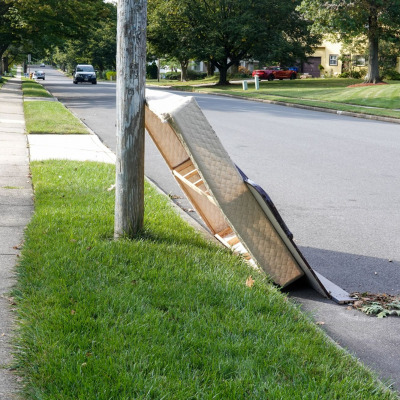
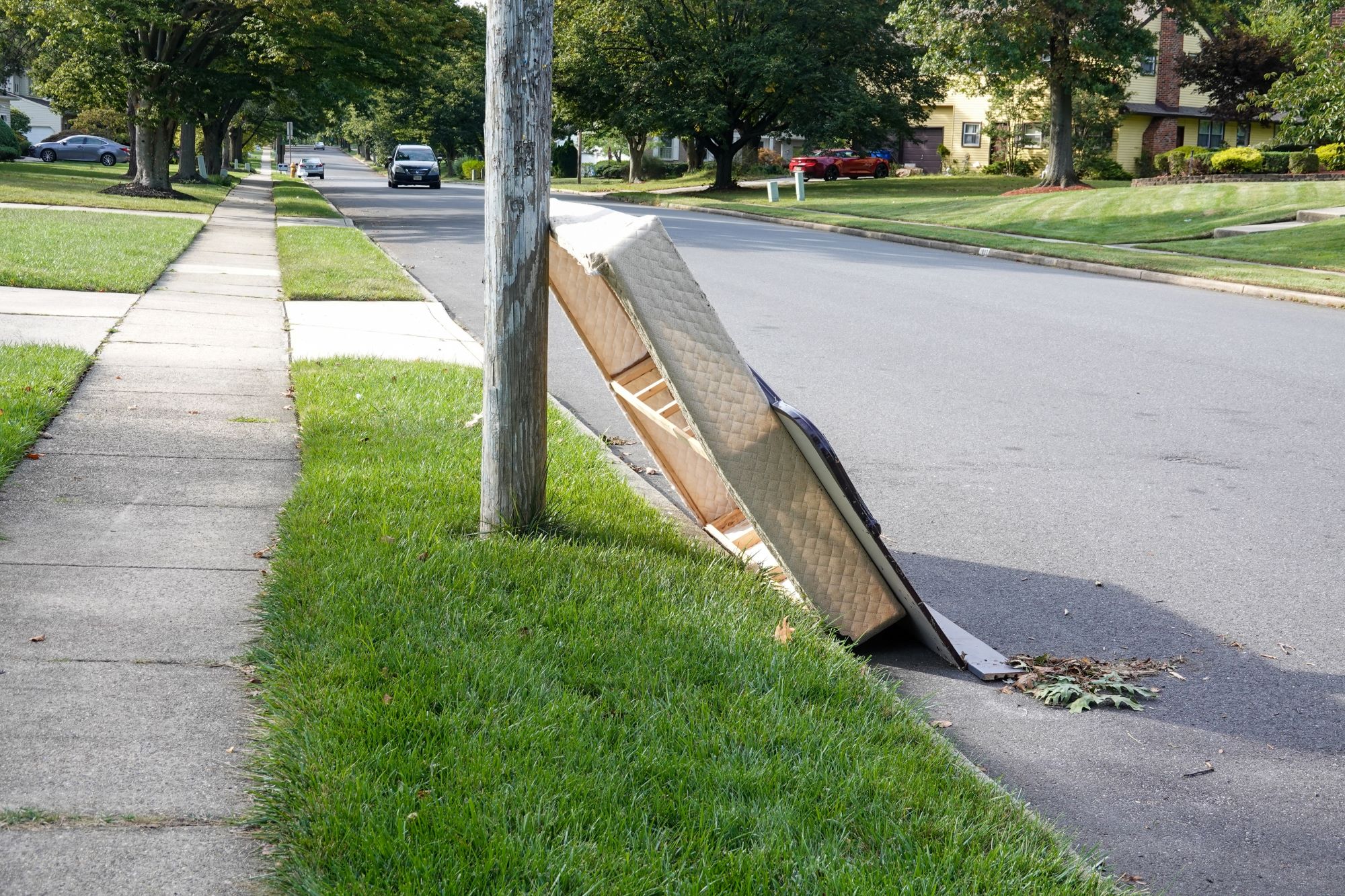
Going by the number of used mattresses you see on the side of the road (which by the way is not what to do), we’re guessing most people aren’t sure what to do with them. It’s one of the reasons old mattresses can pose quite the environmental nightmare.
There are four places your old mattress may end up.
1. Donated

Depending on the age and condition of a mattress, one option is to donate to a charity organisation or homeless shelter who can rehome it for you. You may have to take it to a shop yourself or some may come and collect it for you. While a little wear and tear is to be expected, a mattress that has significant defects or stains will probably be rejected.
Ever wondered what happens to mattresses returned to us during our six month trial?
We have partnered with RizeUp as they give the mattresses directly to families leaving domestic violence, whereas many other charities sell donations in their stores and only pass over some of the profits. We also store the mattresses on RizeUp’s behalf until they allocate them to a family. Supporting families leaving domestic violence is close to our hearts. Our mission is to provide practical support to help ensure families have a comfortable and supportive place to sleep. Read more about why this is meaningful to us in our Story.
2. Landfill
Besides the odd few that are deemed worthy of a second home and find their way to charity shops, most mattresses end up in landfill. Even those that head to the charity shop will likely end up coming to rest at the tip eventually. An estimated 1.75 million mattresses end up in landfill around Australia every year. Most of those mattresses are inner spring or foam and can be recycled, yet recycling a mattress usually comes at a cost and isn’t the most straightforward process.
If a mattress ends up in landfill, its bulk and size rapidly decreases the volume of the allocated space. Plus, as they are comprised of various fabrication materials, most mattress types don’t break down easily and there are of course elements (such as springs and polyurethane) which won’t break down at all.
3. Recycled
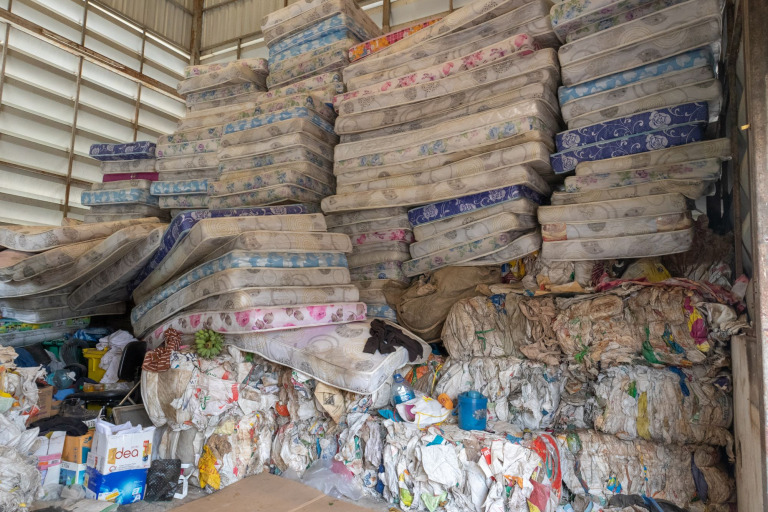
Around 90% of most types of mattresses can be recycled. It’s simply that each fabrication material needs to be separated so that segmented recycling can take place. This is obviously not something you can do yourself at home so you would need to pay a mattress recycling service to collect your mattress and do the hard work for you.
It is well worth going to the effort of recycling an old mattress. Instead of ending up in landfill – or potentially finding their way into waterways, shrubbery or animal’s bellies –cotton can be recycled for new cloth, any wood can be shredded for pulp reuse and any metal can be melted down. Surprisingly, even polyurethane (which is found inside most mattresses) can be reused to make new mattresses or other products that commonly use this substance.
4. Biodegrades
Pure natural latex mattresses are entirely biodegradable. While you would still dispose of this type of mattress in landfill, it will break down much faster than other mattress types. Besides removing the outer cover, they don’t require segmentation. It is important to note that not all latex mattresses are created equal. Many use synthetic fillers, such as kaolin clay, calcium oxide or titanium dioxide, to harden the latex and will prevent the natural decomposition from occurring.
At Pure Trio, we use only 100% pure and natural latex sourced from Malaysia and never use chemicals or other harmful substances in the manufacturing process.

Since natural latex is more durable and hardy than any other mattress material, you’ll also find that they last longer. We have a 21 year guarantee on our mattresses compared to the usual 10 years you could expect elsewhere, which means you have double the time before you need to start thinking about what to do with your old mattress! Also, 21-years isn’t the expiry date of your mattress. A latex mattress can last up to around 30 years, provided is it cared for and regularly flipped and rotated.
If you’re still unsure about what do to with an old mattress, you may like to contact your mattress manufacturer and see what they recommend doing to prevent the mattress from becoming an environmental problem.